Smart Layouts for Small Bathrooms with Shower Areas
Designing a small bathroom shower requires careful consideration of space utilization, style, and functionality. Optimal layouts can maximize limited space while maintaining comfort and aesthetic appeal. Understanding various configurations and design principles can help create a shower area that is both practical and visually appealing.
Corner showers utilize often underused space by fitting into a corner, freeing up room for other fixtures. These layouts commonly feature a quadrant or neo-angle design, which can be customized to fit small bathrooms efficiently.
Walk-in showers offer a sleek, open look that enlarges the perceived space of a small bathroom. They typically feature frameless glass and minimalistic fixtures, providing a modern and accessible solution.
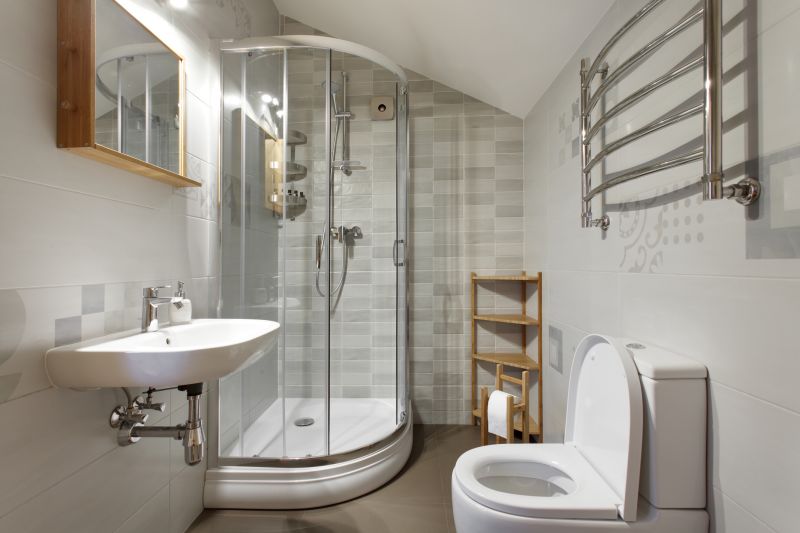
Compact shower configurations often incorporate space-saving features such as sliding doors or curved enclosures, making them ideal for tight spaces.
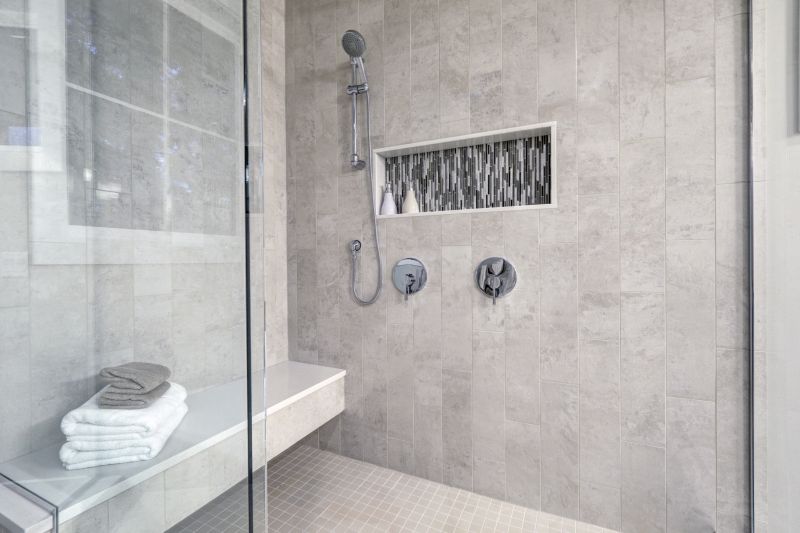
Innovative designs include built-in niches and corner shelves, maximizing storage without cluttering the limited space.
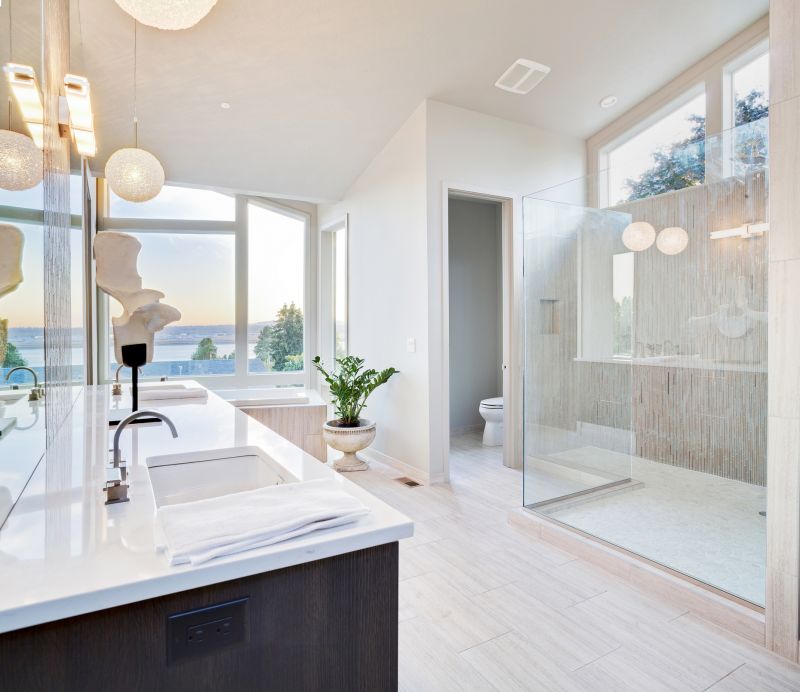
Utilizing glass partitions can create an illusion of openness, making the bathroom appear larger.
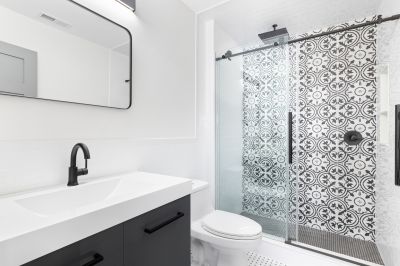
Color schemes and tile patterns can influence the perception of space, with lighter shades and vertical patterns enhancing the sense of height.
| Layout Type | Key Features |
|---|---|
| Corner Shower | Fits into a corner, saves space, often includes sliding or bi-fold doors. |
| Walk-In Shower | Open design, frameless glass, easy accessibility. |
| Tub-Shower Combo | Combines bathing and showering, suitable for small bathrooms with limited space. |
| Neo-Angle Shower | Triangular shape, maximizes corner usage, stylish appearance. |
| Shower Stall | Enclosed with doors, compact, often with built-in storage. |
| Wet Room | Seamless floor, open layout, enhances the sense of space. |
Lighting plays a crucial role in small bathroom shower layouts. Proper illumination can enhance the sense of openness and highlight design elements. Combining natural light with well-placed artificial lighting creates a bright, inviting atmosphere. Ventilation is equally important to prevent moisture buildup and maintain a fresh environment. Vent fans or windows can be integrated seamlessly into the design to ensure proper airflow.
Material choices impact both aesthetics and durability. Waterproof tiles, moisture-resistant paint, and quality fixtures are essential for longevity. Matte finishes tend to hide water spots better, while glossy surfaces reflect light, making the space appear larger. Selecting the right combination of materials and layout optimizes the small bathroom’s functionality and style.